
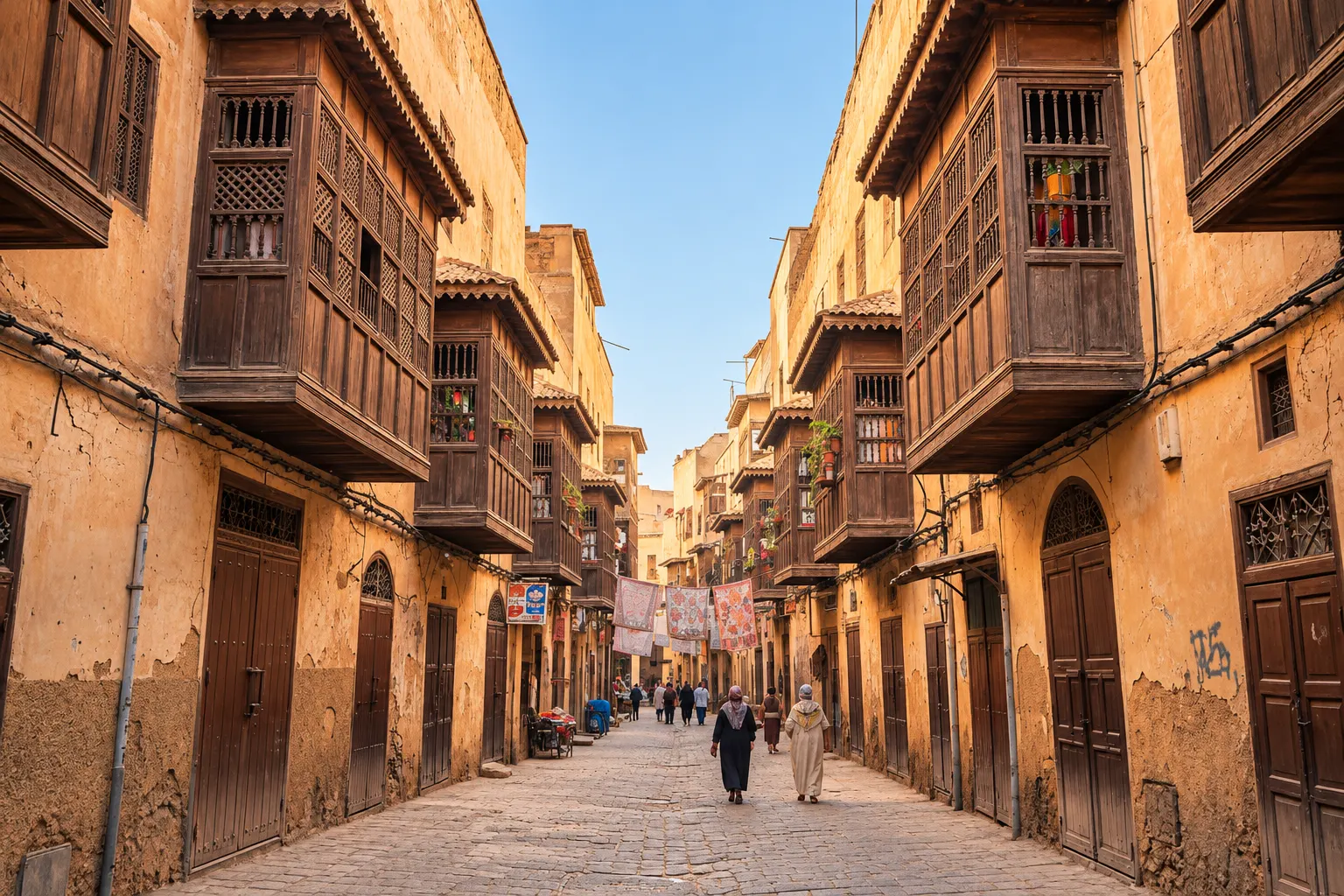
Jewish Morocco,
street by street
Private journeys through the mellahs, synagogues and cemeteries of Fes, Marrakech, Essaouira and Casablanca, with historians who grew up beside them.
A community that never entirely left
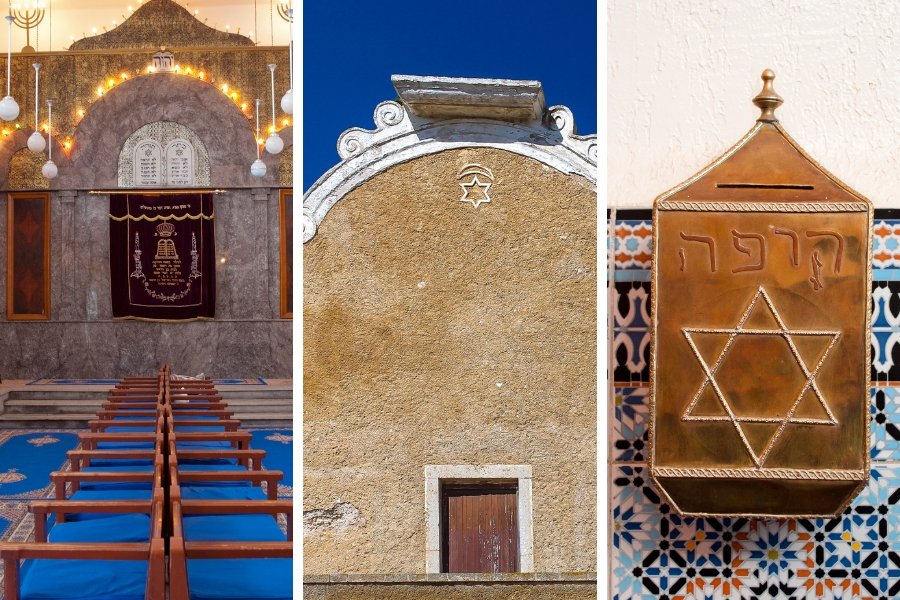
In the late 1940s Morocco held around a quarter of a million Jews, the largest Jewish population in the Muslim world. Most left between 1948 and the 1970s, and some 2,500 live here today, nearly all in Casablanca. What they built stayed: walled mellahs inside the imperial cities, synagogues with painted cedar ceilings, cemeteries still tended by families who come back every year.
Our journeys are built around those places and the people who keep them. We travel with local historians, we keep the days unhurried, and we leave the afternoons open. That is usually when these trips turn personal.


What these journeys are built around
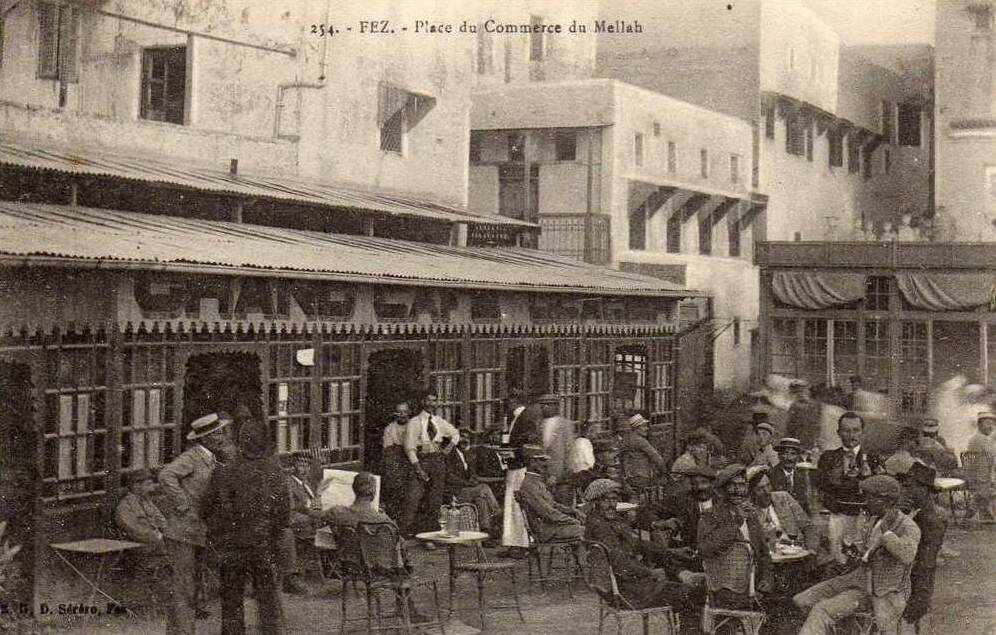
The mellahs
Walled Jewish quarters built beside the royal palaces. Fes has the oldest, founded in 1438. Marrakech, Meknes, Essaouira and Rabat each kept their own layout, their own bakeries, their own hour for closing the gates.
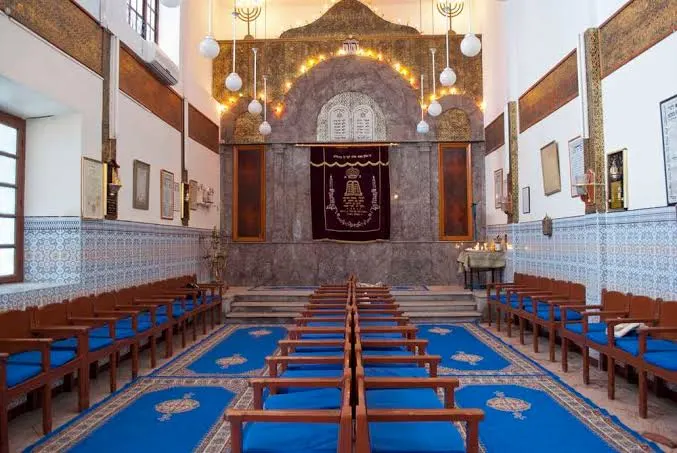
Synagogues
Slat al Azama in Marrakech, Ibn Danan in Fes, Beth El in Casablanca. Some hold services, some are museums, some open only when asked.
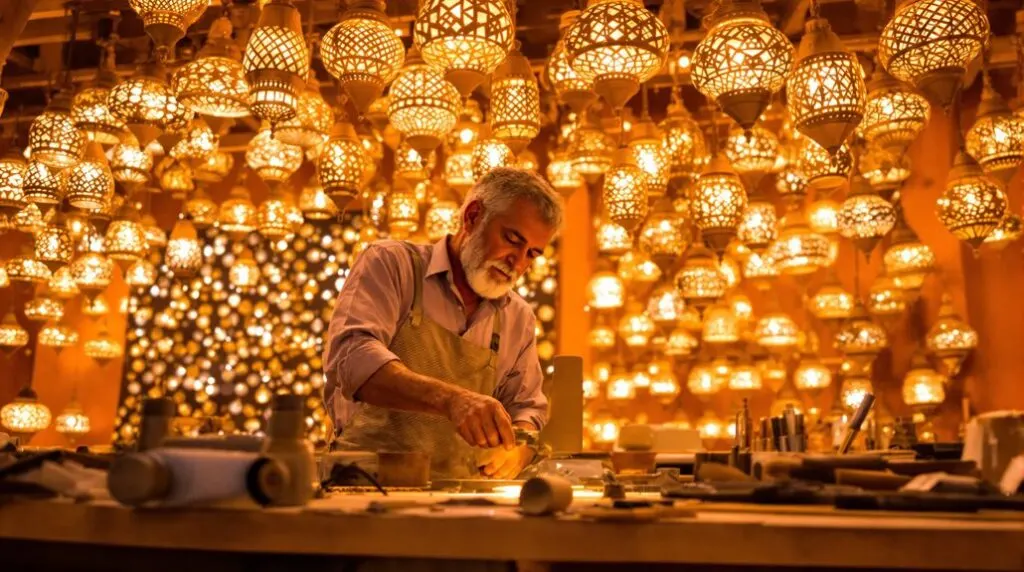
Craft and architecture
Zellige, carved cedar, hammered copper and silver. Jewish metalworkers and bookbinders worked these lanes for generations.

Museums and collections
Wedding robes, Torah cases, household silver. What families could not carry with them is kept in Casablanca and Essaouira.
Three ways to travel this

Mellahs of the Imperial Cities
Casablanca, Rabat, Meknes, Fes and Marrakech, from the Beth El congregation to the restored Ibn Danan synagogue. Two nights in Fes, because the mellah takes a full day and the cemetery registers take another.
The Atlantic Route
Essaouira at the centre, where Jews were close to forty percent of the town in the nineteenth century and the mellah is being rebuilt house by house.

Southern Roads and Hiloula
South over the Atlas to the Draa, where Jewish villages, saints’ tombs and old ksour sit along the river. Timed to the hiloula calendar in spring.
- Licensed national guides on every journey
- Local historians in Fes, Marrakech and Essaouira
- Private departures, on your dates
None of these is fixed. Tell us which one is closest, and we rebuild it around your dates and the places that matter to your family.
Plan your journey
A journey through generations
Some of the people who travel with us are going back to a street their grandmother described from memory. Others come because a name on a family document turned out to be a town in the Atlas. We write to the community ahead of time, we bring someone who can read the cemetery registers, and we keep the afternoon free.
Bring what you have. A photograph, a surname, the name of a street. It is often enough to start.
Start with three details
Your dates, how many of you are travelling, and any family name or town you hope to find. We come back with a first route built around them.
Jewish Morocco